☀01
Sunlight arrives.
Every morning, the sun radiates an enormous amount of light onto your roof — far more than your house needs.
→The process
No magic. Just clean physics and a few well-engineered pieces of hardware. Here's everything that happens between the sun coming up and your morning coffee.
Every morning, the sun radiates an enormous amount of light onto your roof — far more than your house needs.
→Inside each panel are dozens of solar cells. They catch the photons and knock electrons loose, creating a direct current (DC).
→A small box on your wall converts that DC current into alternating current (AC) — the type your appliances actually use.
→The clean power flows into your breaker panel and out to your lights, fridge, devices, and AC. Excess can flow back to the grid.
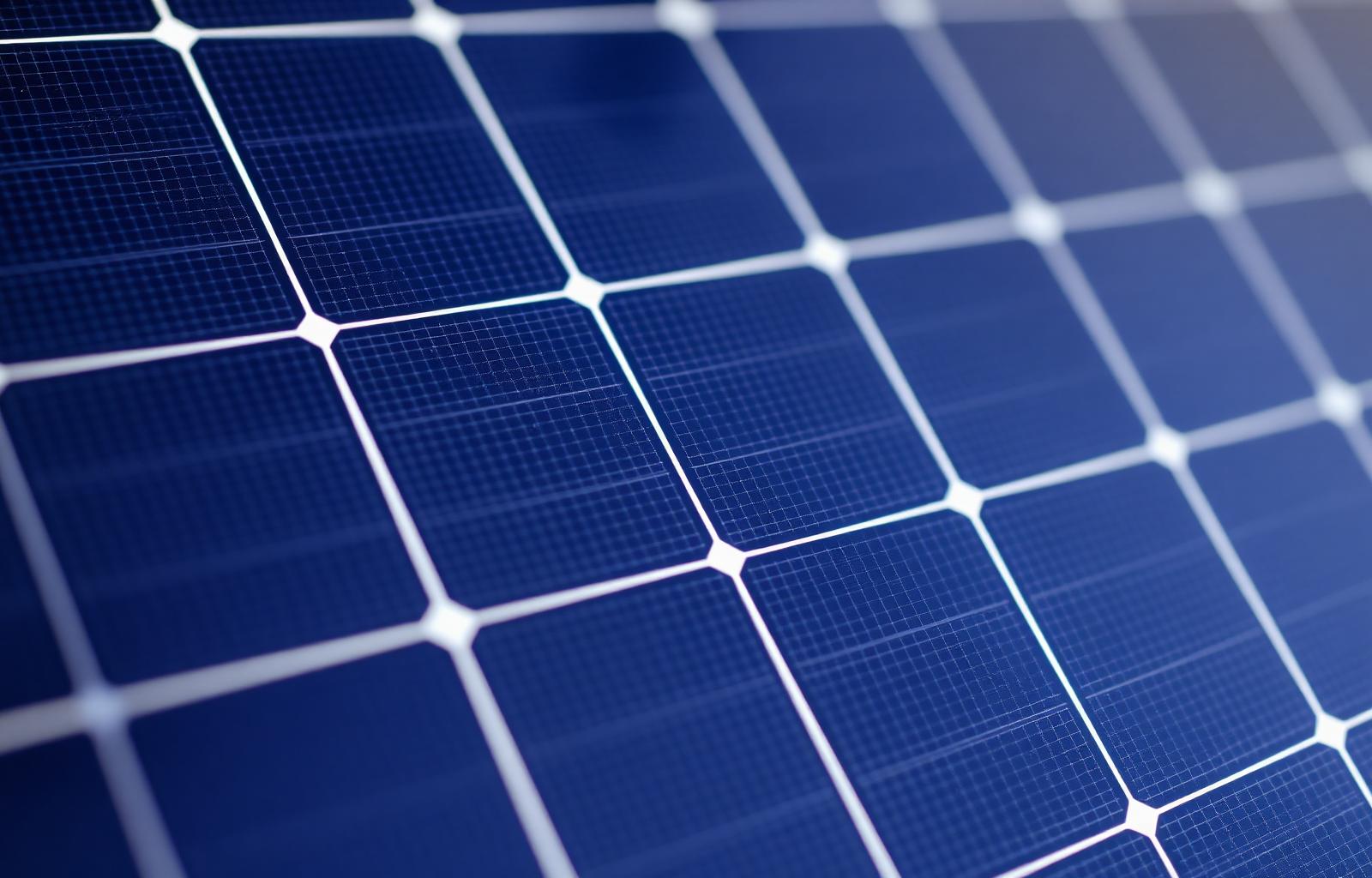
Under the glass
Each panel contains many small solar cells. They're the key piece — they catch sunlight and turn it directly into electrical energy.
From there, the electricity is routed straight into your home's circuit breaker, which spreads power to every room in the house.
Compared with the rest
Sunlight reaches nearly every part of the world — cities, suburbs, and remote villages.
Turbines only perform well in regions with constant high winds, which limits where they make sense.
Hydropower needs huge dams that can take years and hundreds of millions of dollars to build.
Solar panels go up in days — far quicker than building a dam or a wind farm.